Chillers and cooling
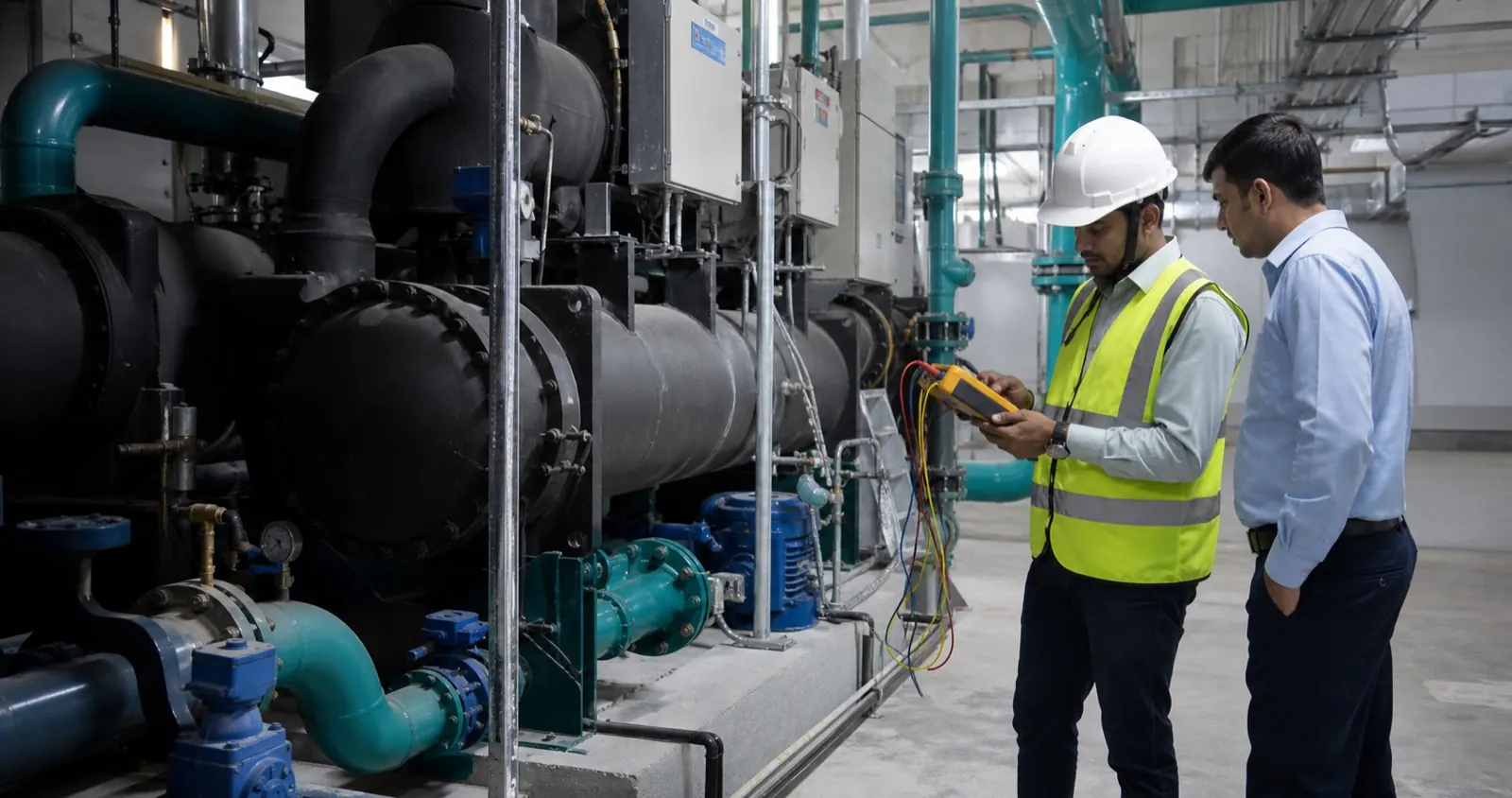
Review chillers, cooling towers, pumps and the way their operating hours overlap with actual demand.
Energy audit
Industrial energy audits for HVAC, lighting, heat, steam and electrical loads, with savings, ROI and payback review.
Discuss your requirementStart here
An energy audit should show where energy is used, where it is being wasted and which correction deserves money first. The useful output is a ranked set of projects with savings logic, operating limits and a payback case the plant team can challenge.
3E Solutions audits industrial and commercial facilities across Rajasthan, including HVAC, lighting, heat, steam and electrical loads. We prefer measured operating data to catalogue efficiency claims, because equipment rarely lives the tidy life described in a brochure.
Review chillers, cooling towers, pumps and the way their operating hours overlap with actual demand.
Recommendations can include expected savings, investment logic and a payback period for comparison.
Measure load patterns, power quality and avoidable peaks before proposing hardware changes.
Technical view

Begin with utility bills, production figures, operating hours, equipment schedules and any recent change in output or tariff. A month with a shutdown is a poor baseline unless the report explains it.
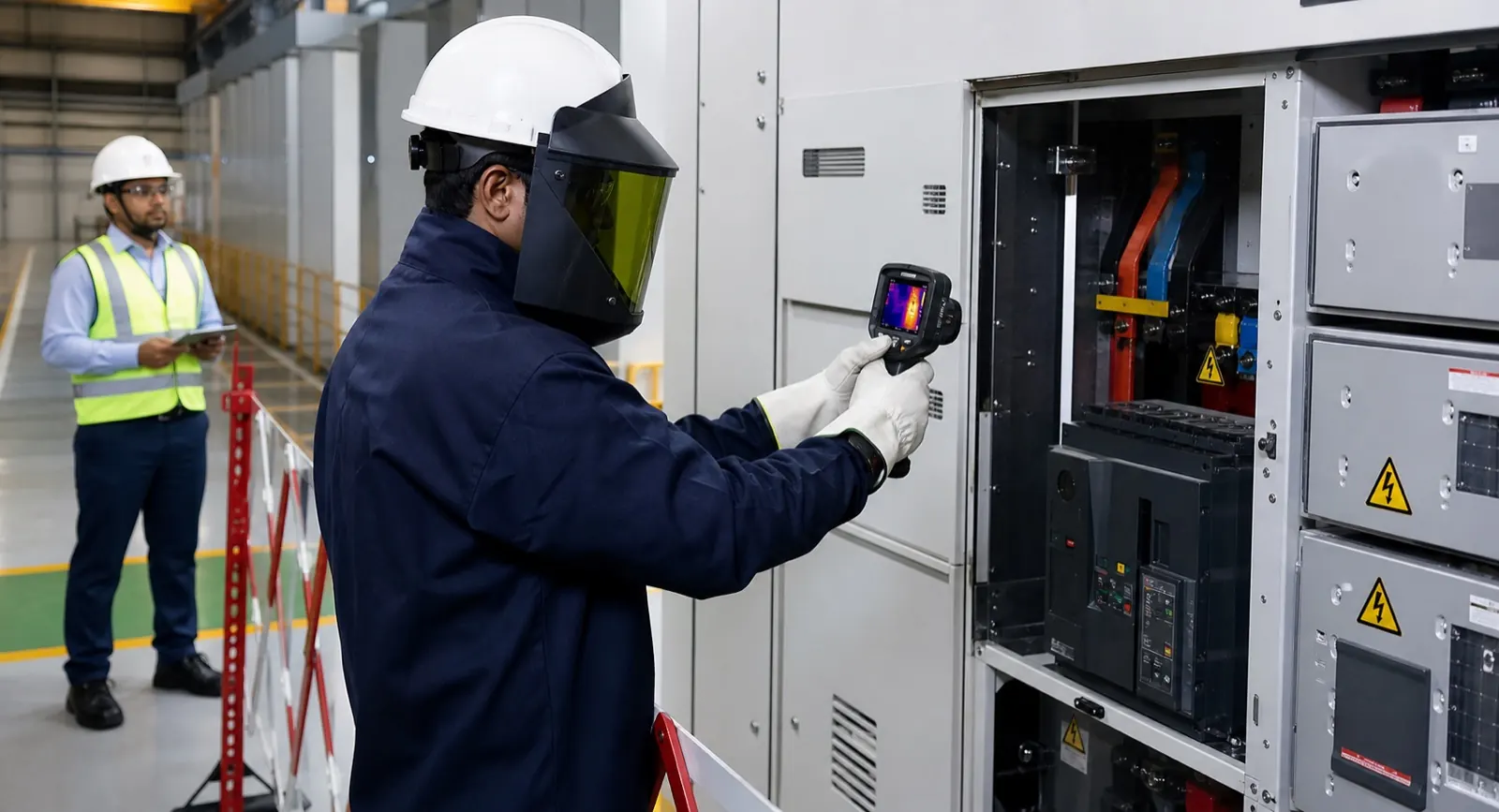
The measurement plan then follows the major energy users. Motor loading, specific energy consumption, heat and mass balance, power quality and control settings are checked where they can change the business case.
Each recommendation needs an existing baseline, the proposed change, expected saving logic, capital need and operating constraint. Low-cost corrections should not be hidden behind a large equipment replacement.
Verification comes later. When a change is implemented, repeat the relevant measurement or compare normalized operating data so the claimed saving can be challenged with evidence.
Specification
The final measurement plan follows the facility. These are common scopes, not a promise that every site needs every instrument on day one.
Method
The audit moves from bills to representative measurements, then to a business case. Catalogue efficiencies are supporting data, not the baseline.
Review bills, production data, schedules and major connected loads.
Capture representative performance rather than relying only on nameplates.
Check saving estimates against production needs, maintenance reality and capital limits.
Put low cost corrections beside larger investments with their expected payback.
Questions from site and procurement teams
Yes. Founder Rakesh Kumar Jain is a BEE Certified Energy Auditor. The exact audit scope and any statutory requirement should still be stated in the proposal.
Twelve months of utility bills and matching production or occupancy data is a useful start when available. Mark shutdowns, expansions and tariff changes instead of smoothing them away.
The report can include saving estimates, capital need and payback where the inputs are adequate. Operational corrections may need no major capital, while uncertain projects may need a trial or more measurement.
Yes. The supplied service profile includes harmonic analysis, THD measurement and filter or APFC specification work where the agreed scope calls for it.
Bring us the site details
Send twelve months of bills, production data, connected loads and operating hours. We will identify the missing baseline information before scheduling instruments.
Contact 3E Solutions