
Type
Non-electronic ESE air terminal

Lightning protection
Eurostar ES.60 ESE air terminal from 3E in Jaipur, with NF C 17-102 data, conditional protection radii and complete installation inputs.
Request a specification reviewDirect answer
Eurostar ES.60 is a non-electronic ESE air terminal with a documented 60 microsecond initiation advance under NF C 17-102:2011.
3E supplies the terminal with project design support from Jaipur. Published radius depends on protection level and tip height, so the number cannot be lifted from a brochure and dropped onto an unrelated roof.
Non-electronic ESE air terminal
NF C 17-102:2011
60 microseconds
Technical view
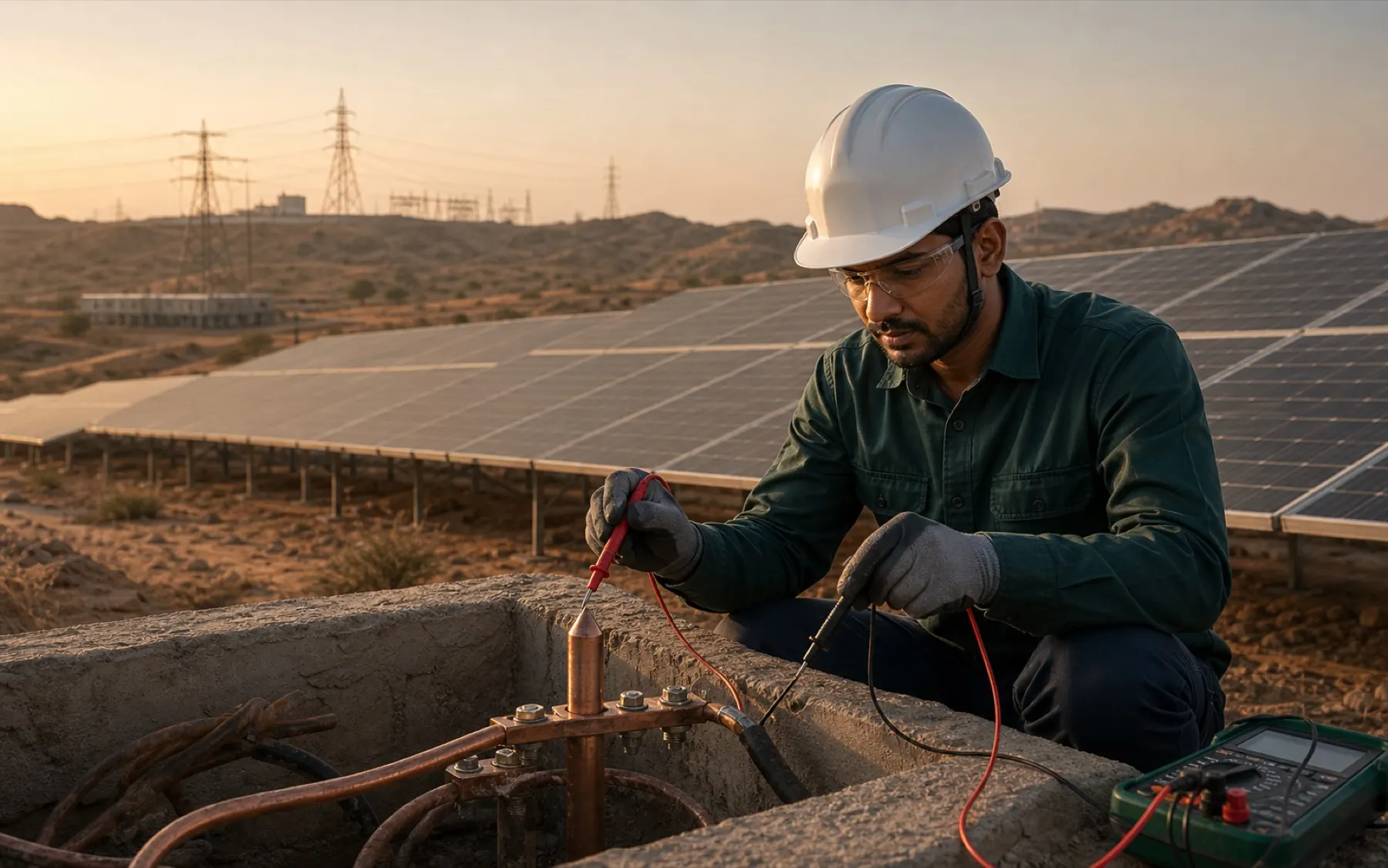
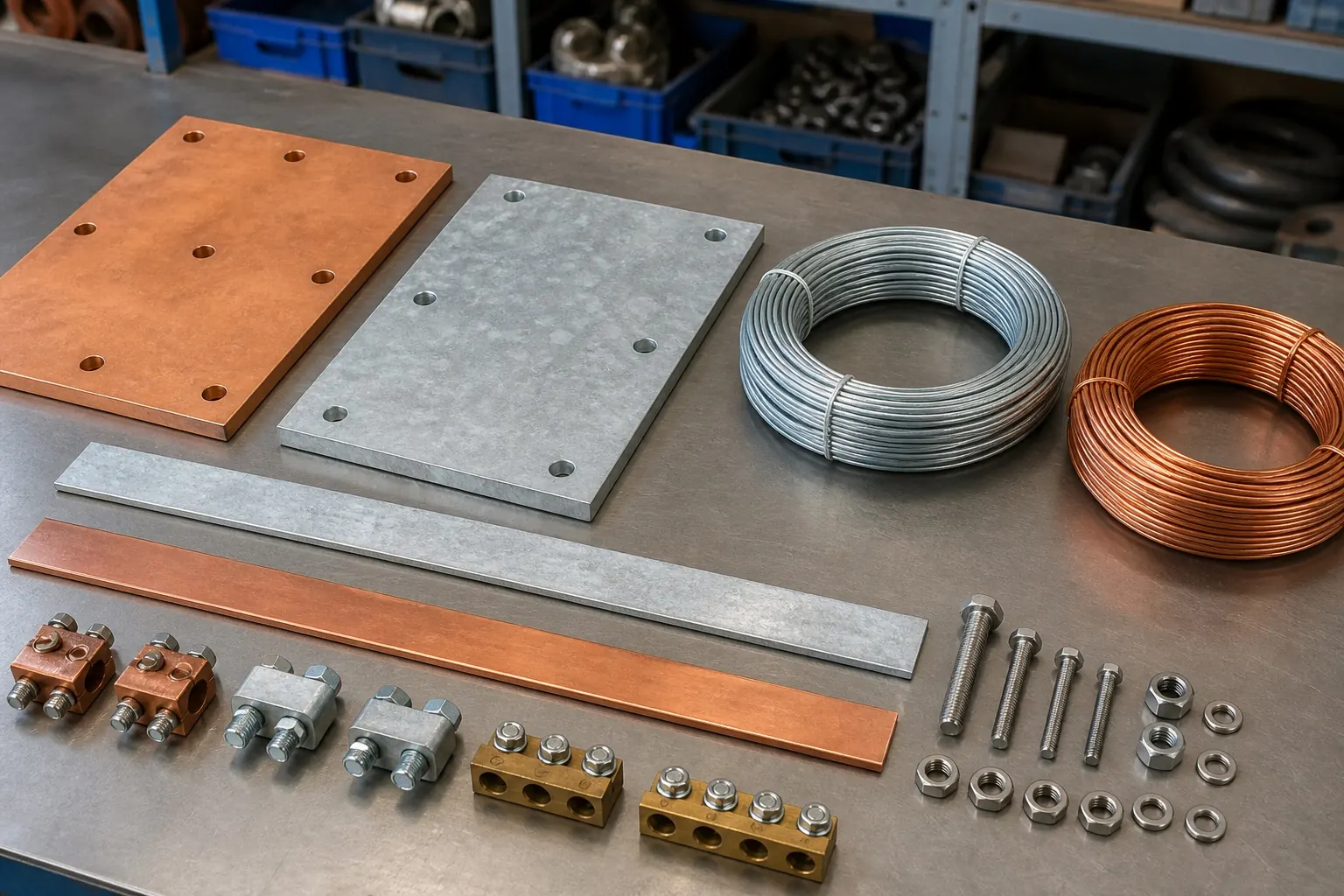
Risk assessment comes first. IS/IEC 62305-2 establishes the protection requirement, while the NF C 17-102 radius table then uses protection level and terminal height above the protected surface.
The head is only visible hardware. The supplied schedule also calls for a mast, down conductor, strike counter, bonding and chemical earth system, with the terminal mounted at least 2 metres above the highest protected point.
Specification
These particulars come from the supplied Eurostar schedule. Current serial, manufacturer documents and project authorisation should accompany the offer.
Applications
Use the application to settle the duty, material, dimensions and evidence required in the offer.
Exposed equipment and structures assessed through a project-specific lightning-risk study.
Buildings where protection level and layout follow the assessed consequence of a strike.
Large roofs and utility areas with planned down-conductor and earth routes.
Questions from site and procurement teams
No. The 79 m figure applies to Level I at a 5 m tip height in the supplied table. Roof geometry and risk assessment still control the layout.
No. Terminal count and protection method depend on the structure, risk, height and approved standard. There is no honest universal substitution rule.
A Euro Engineering letter dated 1 January 2020 names Rakesh K Jain and 3E for PWD BSR Jaipur enlistment and supply, unless withdrawn. Confirm current territory for the project.
No. External lightning protection, equipotential bonding and surge protection address different parts of the same event and need coordinated design.
Bring us the drawing
Send the roof plan, levels, site use and exposed equipment. We will identify the missing risk inputs before discussing terminal count or radius.
Send the requirement on WhatsApp